The integration of Sports Tracker documentation within Nytihåndbold represents a significant advancement in performance monitoring. This system provides crucial insights into player metrics, allowing for informed training decisions. Such data analytics not only supports player health but also enhances overall team effectiveness. As the landscape of sports performance monitoring evolves, it raises questions about the future implications for athlete development and injury prevention. What strategies might emerge as a result?
Overview of Sports Tracker Documentation
The Sports Tracker Documentation serves as a comprehensive resource for users seeking to understand the functionalities and features of the application.
It emphasizes data collection methods and the importance of performance metrics, allowing users to navigate the intricacies of monitoring their athletic progress.
Benefits of Data Analytics in Handball
Although many sports rely on data analytics to enhance performance, handball uniquely benefits from its application through improved strategic planning and player development.
Data analytics facilitates performance improvement by identifying strengths and weaknesses, allowing coaches to tailor training regimens.
Additionally, it plays a crucial role in injury prevention, enabling teams to monitor player workloads and reduce the risk of injuries, thus ensuring sustained athletic performance.
Implementation at Nytihåndbold
Numerous teams are increasingly recognizing the value of data analytics, and Nytihåndbold is no exception.
By implementing sophisticated tracking systems, the team analyzes performance metrics to enhance gameplay.
Furthermore, a focus on player health allows for tailored training regimens, reducing injury risks.
This strategic integration not only optimizes team performance but also promotes a culture of well-being among athletes, fostering long-term success.
Future Trends in Sports Performance Monitoring
As technology continues to evolve, the future of sports performance monitoring is poised for transformative advancements.
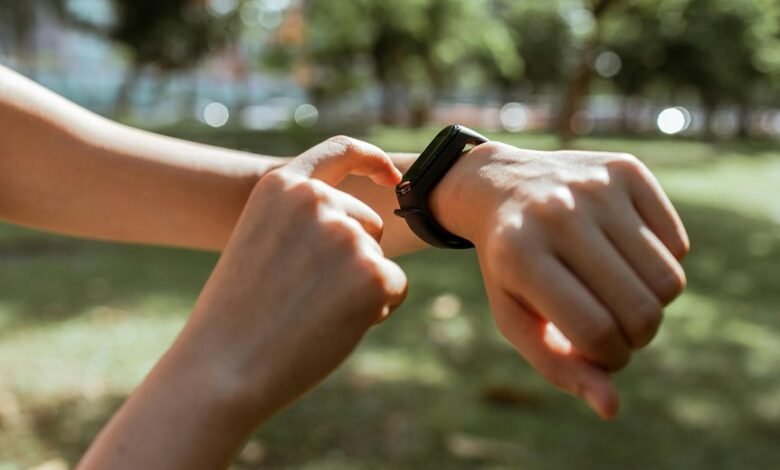
Wearable technology will play a crucial role in real-time data collection, enabling athletes to achieve precise performance optimization.
Enhanced analytics will empower coaches and athletes to make informed decisions, fostering a culture of continuous improvement.
This integration promises to redefine training methodologies and elevate athletic potential.
Conclusion
In conclusion, the integration of Sports Tracker documentation with Nytihåndbold signifies a paradigm shift in player performance monitoring. By harnessing the power of data analytics, the organization not only promotes a culture of continuous improvement but also safeguards athlete health. As the saying goes, “knowledge is power,” and this collaboration exemplifies how informed decision-making can lead to enhanced training outcomes and injury prevention, setting a foundation for future advancements in sports performance monitoring.